- 1 (877) 659-8354
- 07:00 AM - 4:00 PM

For many Florida retirees, home is more than just a place to live. It’s a lifetime investment, a comfort zone, and the space where family memories are made.
When hurricane season arrives, protecting that home becomes a top priority. And the roof – your home’s first line of defense – plays the most critical role.
If you live in Palm Bay, Melbourne, or anywhere in Brevard County, here’s how to make sure your roof is ready for anything this storm season brings.
Start by scheduling a certified roof inspection. Even small issues like loose shingles or minor cracks can become major leaks under hurricane conditions.
A professional will check:
Regular inspections – ideally once a year – ensure your roof meets the latest Florida Building Code standards and qualifies for wind mitigation credits that lower insurance costs.
💡 Quick tip: The best time to book an inspection is late spring, before contractors get busy with pre-hurricane demand.
Hurricane-force winds can lift a roof from the walls if it’s not properly secured. Adding hurricane straps or clips significantly strengthens the structure and helps prevent catastrophic uplift.
These reinforcements are affordable, quick to install, and often required for full insurance compliance.
Your roof deck is your second shield when shingles or tiles are damaged. Applying a secondary water barrier (a peel-and-stick underlayment) prevents leaks and costly water damage.
It’s one of the simplest and most effective steps to increase roof resilience and qualify for insurance savings.
📞 Call Florida Retrofits today at (877) 659-8354 to learn how deck sealing can protect your home before the next storm hits.
If your roof is nearing replacement age, consider upgrading to impact-rated shingles or a metal roof.
For retirees, metal roofing offers peace of mind and long-term value:
Read more: How a Roof Retrofit Can Save You Up to $5,000 on Insurance in 2026
Every year, many homeowners wait until a hurricane is already on the radar. By then, contractors are fully booked and materials are scarce.
Acting early allows you to plan calmly, avoid stress, and lock in better pricing. Preparing now is not just smart – it’s essential.
John and Carol, a retired couple from Palm Bay, decided to strengthen their 20-year-old shingle roof last spring. Florida Retrofits installed new hurricane clips and sealed the deck. After passing their wind mitigation inspection, they saved $3,200 per year on insurance premiums.
When Hurricane Milton swept through later that summer, their roof stayed completely intact. For them, it wasn’t just a financial win – it was peace of mind.
At Florida Retrofits, we specialize in hurricane-ready roofing systems built to Florida Building Code standards.
Our licensed team helps homeowners strengthen their roofs, pass wind mitigation inspections, and save thousands on insurance each year.
Call us today at (877) 659-8354
or request your Free Roof Evaluation at FloridaRetrofits.com
Florida’s building codes are designed to protect homes from the state’s unique challenges—especially hurricanes, high winds, and heavy rain. The 2026 Florida Building Code (FBC) introduces important updates focused on strengthening roofs, improving water resistance, and enhancing energy efficiency.
New requirements ensure that roof-to-wall connections meet enhanced uplift resistance standards critical in hurricane-prone areas. Proper load distribution and retrofitting are mandatory to improve structural safety during storms.
All new roofing systems must use sealed roof decks that reduce water intrusion if the outer covering is damaged during severe weather. Approved materials for coatings and membranes are required by the Florida Product Approval system.
Previously, if over 25% of a roof was damaged, the entire roof needed replacement. The 2026 code allows partial replacements if the remaining roof complies with newer standards (post-2007), easing costs for homeowners with older but sound roofs.
New mandates require better insulation, reflective “cool roof” materials, and upgraded truss systems to improve home energy conservation while maintaining safety standards.
The updated codes are directly linked to homeowners’ ability to obtain insurance and benefit from premium discounts. Roofs older than 15 years may face non-renewal unless certified to have at least 5 years of useful life remaining. Wind mitigation features such as hurricane straps and secondary water barriers are mandatory for reroofing.
Homeowners planning roof replacements or repairs must ensure contractors follow the new 2026 codes to avoid costly rework and insurance issues. Understanding these rules and working with licensed professionals certified in Florida’s roofing standards is essential.
Regular roof inspections and documentation of compliance can help homeowners maintain insurance eligibility and protect their homes from storm damage.
For detailed guidance, consider consulting local roofing experts knowledgeable in current Florida roofing statutes and building code compliance.
Q: What is the 25% Roof Replacement Rule in Florida?
A: If more than 25% of your roof is damaged, traditionally you had to replace the entire roof to meet new code requirements. However, since 2022, if your roof was built or last replaced according to the 2007 Florida Building Code or a newer version, you can replace only the damaged sections without upgrading the entire roof.
Q: Do these codes apply to all roofing materials?
A: Yes, the rules apply to shingle, metal, tile, and flat roof membranes. Materials must comply with Florida Product Approval standards for wind and water resistance.
Q: How do the new codes impact insurance coverage?
A: Roofs older than 15 years may face non-renewal unless certified for 5+ years’ remaining life. New mandatory wind mitigation features like hurricane straps and secondary water barriers are key to obtaining insurance premium discounts.
Q: What are sealed roof deck requirements?
A: New roofs must include a sealed roof deck beneath the roofing material to prevent water intrusion during storms, using self-adhering waterproof membranes approved by Florida’s Product Approval system.
Q: Can HOAs restrict roofing choices despite the new codes?
A: Yes, homeowners should check if their homeowners associations have aesthetic rules that might restrict materials like metal roofs, even if they comply with the building code.
Q: Are these code updates applicable to repairs or only full replacements?
A: Both. Repairs that involve more than 25% of the roof surface in a qualifying roof section must meet current codes for only the repaired area; full replacements naturally must meet all current codes.
Retirement is meant to be a time of peace, comfort, and enjoying the Florida sunshine – not worrying about storms, leaks, or high utility bills.
For many Florida retirees, making a few smart upgrades can mean a safer, cooler, and more relaxing home all year long.
Here are five proven ways to protect your home and make it more comfortable for the years ahead.
Florida’s weather can be unpredictable, and your roof takes the brunt of it. Upgrading to a wind-resistant roof or reinforcing your existing one through a roof retrofit is one of the best investments you can make.
Modern wind-mitigation features such as hurricane clips, sealed decks, and impact-rated materials can help your home withstand winds up to 150 mph and lower your home insurance premiums by $3,000–$5,000 per year.
Homeowners in Palm Bay, Melbourne, and Brevard County trust Florida Retrofits to make their homes hurricane-ready while meeting Florida Building Code standards.
Florida’s heat can be brutal, especially during summer. Poor attic ventilation traps hot air, making your AC work harder and raising your energy bills.
Adding proper ventilation and radiant barrier insulation helps your home stay cooler and more energy efficient.
You’ll notice lower utility costs, fewer temperature spikes, and a more comfortable indoor climate.
Even small gaps around windows and doors let in humid air and let your cool air escape.
By upgrading to impact-rated, energy-efficient windows and weather-sealed doors, you improve both storm protection and indoor comfort.
These upgrades reduce outside noise, prevent moisture buildup, and make your home feel calm and secure — perfect for enjoying retirement in peace.
Energy-efficient lighting and appliances don’t just save money – they make life easier.
LED lighting, smart thermostats, and ENERGY STAR-rated appliances cut electricity costs while reducing maintenance needs.
Plus, these upgrades often qualify for local Florida rebates and tax incentives.
Just like a regular check-up keeps you healthy, a home inspection keeps your property in top shape.
Annual roof inspections, wind mitigation evaluations, and safety checks help identify small issues before they become big repairs.
Florida Retrofits offers professional assessments that give you clear answers and real peace of mind — so you can focus on enjoying your home, not worrying about it.
Tom and Helen, retirees from Melbourne, FL, had noticed higher energy bills and musty smells in their attic. After a full inspection, they upgraded to reflective metal roofing, improved insulation, and sealed their windows.
The results? Their home stayed cooler, quieter, and their energy bills dropped by 25%.
When hurricane season arrived, their home passed with flying colors – strong, dry, and worry-free.
At Florida Retrofits, we help homeowners protect what matters most with certified roofing, insulation, and wind mitigation upgrades that save money and increase comfort.
Our licensed local team knows Florida homes inside and out – and we’re here to help you prepare for every season.
Call us today at (877) 659-8354
or request your Free Home Safety Evaluation at FloridaRetrofits.com
As we get older, peace of mind becomes one of life’s greatest luxuries.
For many Florida retirees, that peace starts with knowing your home is safe, secure, and protected from Florida’s unpredictable weather.
Your roof plays the biggest role in that protection – but it’s also one of the most overlooked parts of the home.
Scheduling regular roof inspections after age 60 isn’t just about maintenance – it’s about safeguarding your comfort, your savings, and your independence.
Florida’s sun, rain, and humidity can wear down roofing materials faster than most homeowners realize.
By the time a small leak becomes visible, it may have already caused hidden water damage, mold growth, or structural weakening.
A professional roof inspection helps catch these problems early, long before they become expensive emergencies.
Certified inspectors evaluate:
For homeowners in Palm Bay, Melbourne, and Brevard County, these inspections ensure compliance with the Florida Building Code and help qualify for insurance savings through wind mitigation reports.
A small roof repair might cost a few hundred dollars.
Ignoring it until leaks appear could lead to repairs worth $10,000 or more – not to mention potential mold remediation and interior damage.
For retirees on a fixed income, these surprise costs can cause major stress.
Scheduling annual inspections helps you plan ahead, budget smartly, and avoid financial surprises.
Every year, hurricane season puts roofs to the test. Even a well-built roof can suffer if it’s not inspected and maintained regularly.
A pre-season inspection ensures that your:
Taking these steps gives you the confidence that your home is ready for the storms ahead – without the last-minute panic.
After age 60, every dollar counts.
Regular roof inspections often include or lead to wind mitigation reports, which identify features that qualify your home for insurance discounts.
Homeowners with certified wind-resistant roofs can save $3,000–$5,000 per year on insurance premiums – a simple step that pays for itself many times over.
Robert and Mary from Palm Bay had lived in their home for 18 years without any major roof issues. Last spring, they scheduled their first inspection with Florida Retrofits.
The inspector found minor nail uplift and a loose vent seal – issues that could have become serious during a hurricane.
Repairs were completed the same week, and their insurance premiums dropped by $2,800 after the updated mitigation report.
Now, they schedule an inspection every year – no surprises, no stress.
Regular inspections mean fewer emergencies and more time to enjoy the retirement you’ve earned.
At Florida Retrofits, we help Florida retirees protect their homes with certified roof inspections, retrofits, and wind mitigation upgrades that meet Florida Building Code standards.
Our licensed experts provide honest evaluations, transparent pricing, and peace of mind that your home is in good hands.
Call us today at (877) 659-8354
or request your Free Roof Evaluation at FloridaRetrofits.com
7. What happens if problems are found?
Your contractor will recommend simple repairs or reinforcements to keep your roof hurricane-ready.
For many Florida retirees, the home you’ve built over the years is your sanctuary. After decades of maintenance, repairs, and the occasional hurricane scare, you deserve a roof that gives you comfort instead of worry.
That’s where metal roofing truly shines. While most people know it’s strong, the real value goes much deeper — from lower energy bills to lasting protection and greater long-term savings.
Let’s uncover the hidden benefits of metal roofs designed for Florida’s unique weather.
Metal roofs are engineered to endure the most extreme conditions, from hurricane-force winds to heavy rain and flying debris.
Modern metal roofing systems can withstand wind speeds over 150 mph and resist cracking, warping, or water damage — common problems with traditional shingles.
For retirees living in Palm Bay, Melbourne, and across Brevard County, that means less stress every hurricane season and fewer repairs over time.
Although metal roofs can cost more upfront, they’re one of the smartest long-term investments for Florida homeowners.
Why? Because they last 40–50 years — sometimes even longer — with minimal maintenance. And insurance companies recognize their durability.
A certified metal roof often qualifies for wind mitigation credits, which can lower your home insurance premiums by $3,000–$5,000 per year.
That’s not just savings — it’s security that pays you back over time.
Cooler Homes, Lower Energy Bills
Metal roofs reflect sunlight instead of absorbing it, keeping your home cooler during Florida’s intense summers.
That means less strain on your air conditioner and energy savings of up to 25% annually.
For retirees who spend more time at home, this can lead to noticeable comfort and consistent utility savings.
Unlike asphalt shingles that crack, curl, or need replacement every 15–20 years, metal roofs require almost no maintenance.
They resist mold, mildew, termites, and corrosion. A simple inspection once a year is usually enough to ensure everything stays in perfect condition.
This is especially beneficial for older homeowners who prefer a low-maintenance lifestyle without worrying about costly roof work.
Metal roofing is not only durable but also sustainable.
Most systems are made from recycled materials and are fully recyclable at the end of their lifespan.
Pair that with their energy efficiency, and you’re making a choice that’s good for both your home and the planet.
When Linda and George, a retired couple from Melbourne, FL, replaced their aging shingle roof with a certified metal system, they noticed the difference immediately.
Their home stayed cooler, their energy bills dropped by 20%, and they received a $3,600 insurance discount after their wind mitigation inspection.
Two years later, when a tropical storm hit, their metal roof stood firm while neighbors faced costly repairs.
At Florida Retrofits, we help Florida homeowners upgrade to hurricane-resistant, energy-efficient metal roofs that meet Florida Building Code standards.
Our certified installations not only protect your home but also unlock real savings on insurance and energy bills.
Call us today at (877) 659-8354
or request your Free Roof Evaluation at FloridaRetrofits.com
For homeowners in Palm Bay, Melbourne, and across Brevard County, hurricane season isn’t just a worry — it’s a yearly reality. Strong winds, flying debris, and torrential rain can test even the best-built homes.
Because of this, many Florida homeowners are looking for smarter ways to protect their property and control rising insurance costs.
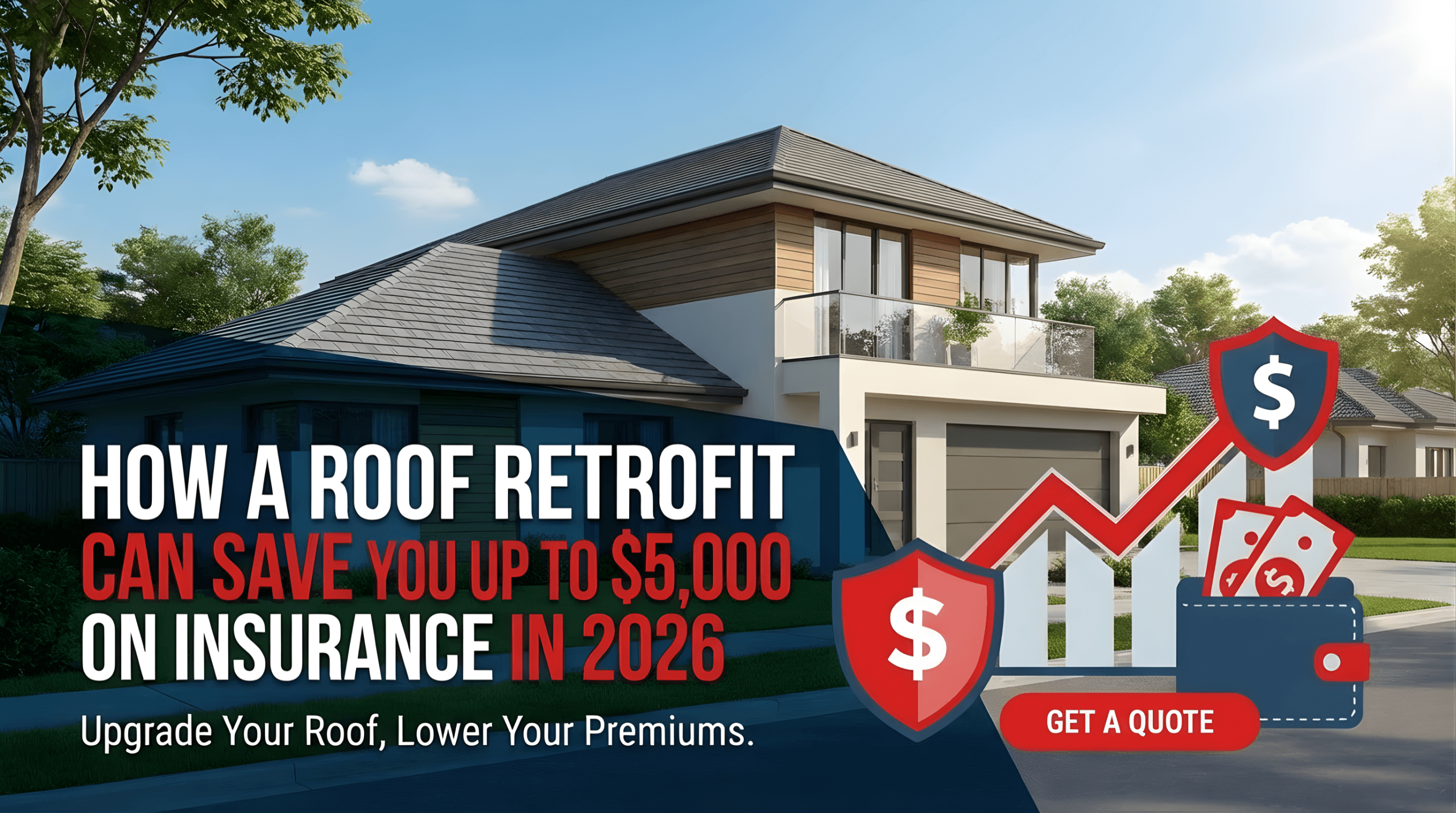
The good news is, upgrading your roof through a certified roof retrofit can dramatically reduce your risk and help you save up to $5,000 every year on your homeowners insurance.
Let’s take a closer look at how this works — and why thousands of Florida homeowners are already making the switch.
A roof retrofit strengthens your existing roof to meet Florida Building Code hurricane standards. In many cases, it does not require a full roof replacement.
Instead, it often involves adding hurricane clips, reinforced decking, waterproof barriers, and improved underlayment. As a result, your roof becomes far more resistant to winds exceeding 150 mph.
Once completed, and verified through a wind mitigation inspection, your retrofit qualifies you for major insurance discounts known as wind mitigation credits.
Florida law requires insurance companies to offer premium discounts to homeowners who protect their roofs against wind damage. That’s why insurers rely on certified inspections to assess how well a roof can withstand storms.
During this process, inspectors look for several key features:
✅ Roof-to-wall connections – hurricane straps or clips
✅ Roof deck attachment – nails or screws rated for high-wind uplift
✅ Secondary water barrier – helps reduce water intrusion during storms
✅ Roof covering type – impact-rated shingles or metal panels
✅ Roof shape – hip roofs perform best under wind pressure
When these features are present, homeowners can receive $3,000–$5,000 in yearly insurance savings, and sometimes even more in high-risk zones.
For example, one of our recent projects in Palm Bay, FL, involved upgrading a 15-year-old shingle roof with hurricane clips, sealed decking, and a secondary water barrier.
After the inspection, the homeowner received:
🏡 Stronger roof protection
💵 $4,200 annual insurance discount
🔒 Peace of mind before hurricane season
In other words, this was a return on investment that most home improvements simply cannot match.
Florida’s insurance market is changing fast. At the same time, premiums are climbing and policies are being dropped for older or non-compliant roofs.
By upgrading your roof now, you can:
Avoid insurance cancellations or surcharges
Qualify for state-mandated insurance discounts
Boost your home’s market value
Stay compliant with Florida Building Code (FBC)
Protect your family and your investment from severe weather
If you wait until storm season, you may end up paying more and risking coverage loss when you need it most.
At Florida Retrofits, we specialize in hurricane-resistant roof upgrades that meet all Florida standards. From start to finish, our team handles everything — including permitting, inspection, and full retrofit installation.
In addition, we use only certified materials and provide complete documentation for your insurance company.
📞 Call us today at (877) 659-8354
or request your Free Roof Evaluation at FloridaRetrofits.com
1. What is the average cost of a roof retrofit in Florida?
Typically between $4,000 and $10,000, depending on roof size, materials, and structure.
2. How quickly can I get insurance savings?
In most cases, discounts appear within 30–60 days after a successful wind mitigation inspection.
3. Is a full roof replacement required?
No. Many homes qualify through partial retrofits and reinforcements.
4. How long does the retrofit process take?
Generally, projects are completed in 1–5 days, depending on roof type and weather.
5. Can every home qualify for wind mitigation credits?
Almost all homes can, although the discount level depends on roof shape, deck attachment, and other features.
6. Are metal roofs better for hurricanes?
Yes. Metal roofing is one of the strongest and most wind-resistant options for Florida homes.
7. Will this also improve energy efficiency?
Absolutely. Cool roof materials and sealed decks help regulate attic temperature and reduce energy bills year-round.